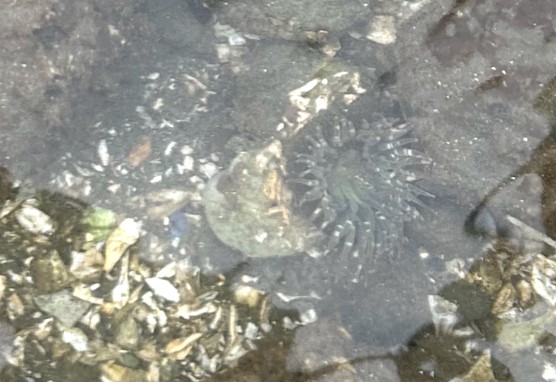
Moon Glow Anemone
Anthopleura artemisia
Sea anemone
Tidepool resident
Pacific Northwest shoreline
Quick facts
ID keysSoft-bodied anemone with a rounded column and a crown of tentacles that can look pale, greenish, lavender, or “glowy” in shallow water.
SizeUsually small to medium-sized, often only a few inches across when fully open.
Where you’ll see itAttached to rocks, pilings, shells, or other hard surfaces in tidepools and protected nearshore areas.
MovementMostly stays attached in one place, but can slowly shift its position over time.
StingUses stinging cells to catch tiny prey; best observed gently without touching or disturbing it.
Look for anemones during lower tides, especially on shaded rocks or protected edges where the water stays calm.
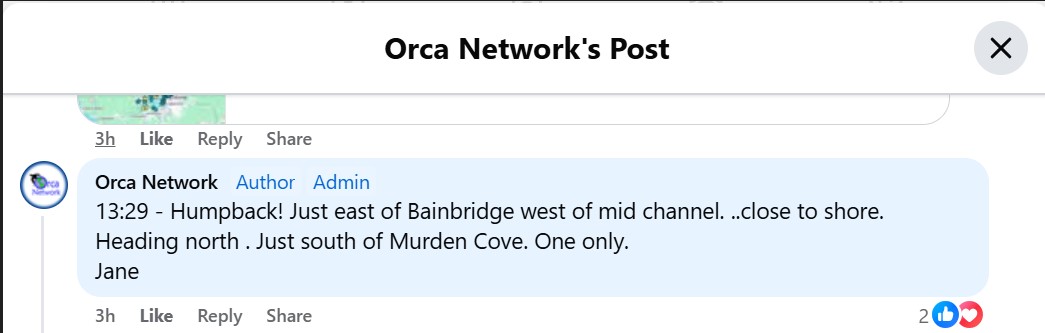
Humpback Whale
Megaptera novaeangliae
Marine mammal
Baleen whale
Puget Sound visitor
Quick facts
ID keysLarge whale with a rounded back, long pectoral fins, and a small dorsal fin often seen after the blow as the whale arches to dive.
SizeAdults can reach roughly 40 to 50 feet long, making them one of the largest animals sometimes seen in Puget Sound.
Where you’ll see itOpen water, channels, and feeding areas where small schooling fish or krill may be present.
MovementOften travels by surfacing, breathing, arching, and diving; tail flukes may be visible on deeper dives.
BehaviorKnown for dramatic surface activity, long migrations, and bubble-net or lunge-feeding behavior in productive waters.
If you see a whale from shore or a boat, give it plenty of distance and avoid changing its path. The best view is usually from a respectful distance.
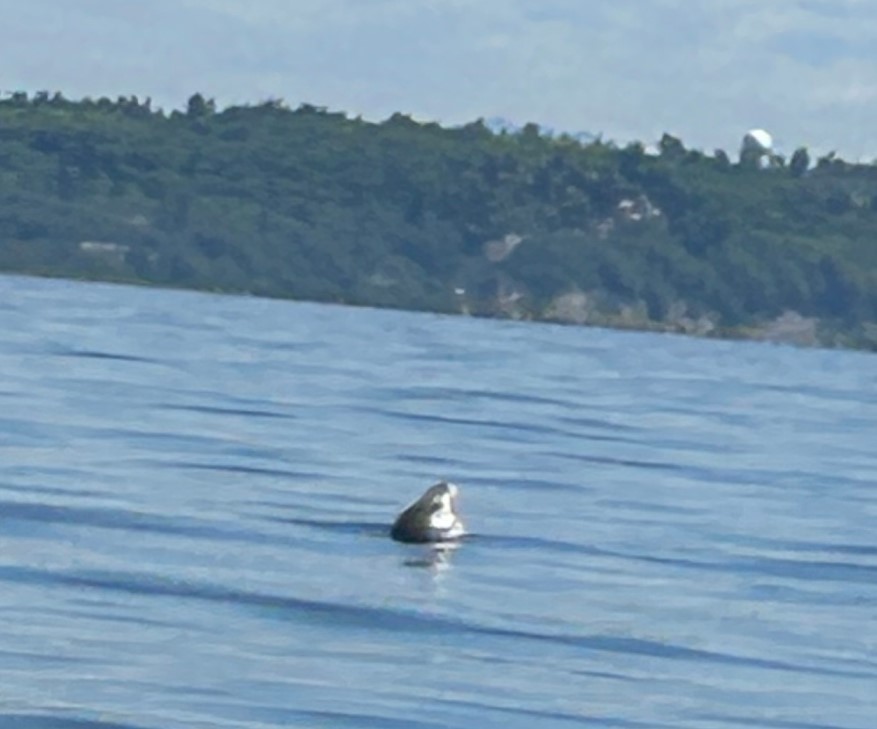
Harbor Seal
Phoca vitulina
Marine mammal
Pinniped
Puget Sound resident
Quick facts
ID keysRounded head with no visible ear flaps, large dark eyes, and spotted gray or tan coat that varies by individual.
SizeTypically 5–6 feet long; adults weigh roughly 150–300 pounds.
Where you’ll see itCommon along shorelines, docks, and floating near the surface; often seen “bottling” with just the head above water.
MovementStrong swimmers that dive frequently; can remain underwater for several minutes before resurfacing.
BehaviorCurious and often observed watching quietly from the water; may haul out on rocks or beaches to rest.
Harbor seals are common year-round in Puget Sound. If one approaches, enjoy the moment—but avoid getting too close or altering its behavior.
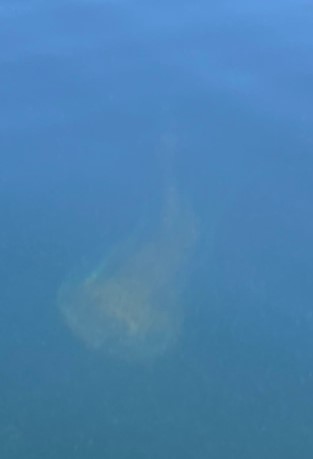
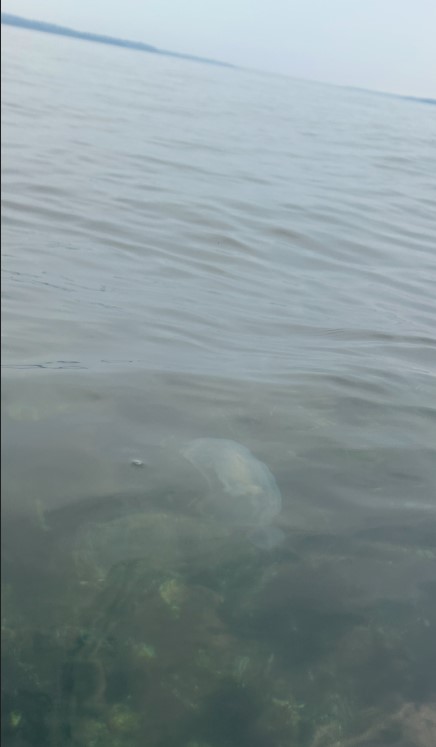
Moon Jelly
Aurelia aurita
Jellyfish
Nearshore drifter
Common in Puget Sound
Quick facts
ID keysTranslucent “moon” bell with four faint, horseshoe-shaped rings visible in the center.
SizeTypically a few inches across; can appear larger depending on bloom conditions.
Where you’ll see itQuiet coves, docks, protected bays—often near the surface on calm days.
MovementSlow pulsing drift; mostly carried by currents and wind.
StingGenerally mild for humans, but still best admired without handling.